
Green Oak vs Seasoned Oak: Which is Right for Oak-Framed Buildings?
It’s possible that your client will ask whether your project should use green oak or seasoned oak, which is perfectly understandable. In many areas of construction, lower moisture content is often associated with higher quality. This leads many clients to assume that seasoned timber must always be the better option. However, when it comes to structural oak framing, the answer is far more nuanced.
Understanding the differences between green oak and seasoned oak allows you to confidently explain why each has its place, depending on the application. Whether you’re specifying a series of oak-framed buildings, designing a garage, or installing a bespoke porch kit, selecting the right timber is fundamental to delivering a successful project.
What is Green Oak?

Green oak is freshly sawn oak that retains much of its natural moisture content (usually 40-80%). Unlike timber that has been dried over time, green oak is used relatively soon after milling, making it the traditional choice for structural oak-framed construction throughout the UK.
Far from being a compromise, green oak has been used in the construction of homes, barns, churches, and public buildings for centuries. Many of these historic structures remain standing today, demonstrating the remarkable durability of this natural building material.
Characteristics of Green Oak
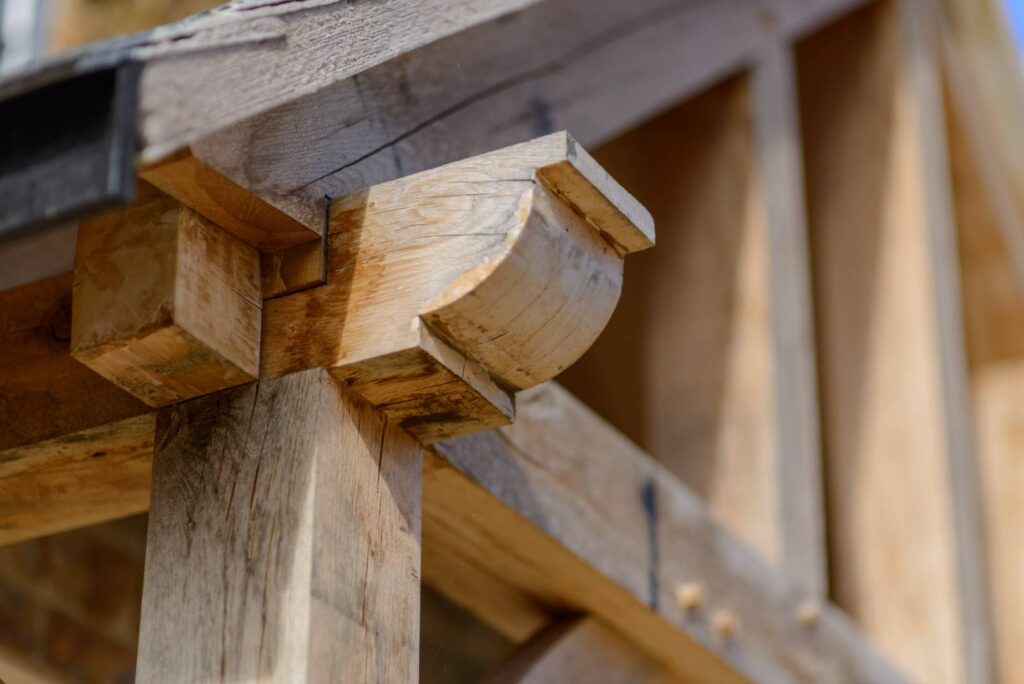
Green oak continues to dry naturally after installation. As it seasons, the timber gradually shrinks slightly and develops surface checks (small cracks) as moisture escapes.
For those unfamiliar with oak, these natural changes can appear concerning. In reality, they’re an expected part of the timber’s lifecycle and contribute to the distinctive character that makes oak-framed buildings so desirable. Modern frames are also carefully engineered to accommodate this natural movement, ensuring structural integrity is maintained as the timber matures.
What is Seasoned Oak?
Seasoned oak refers to timber that has been dried before use, reducing its moisture content and making it more dimensionally stable. Traditionally, this is achieved through air drying, where timber is stored in carefully controlled conditions over several years. This slow process allows moisture to leave the timber gradually, reducing movement once the material is installed.
Because seasoned oak experiences less shrinkage and movement than green oak, it is often chosen for applications where precision and stability are essential.
What About Kiln-Dried Oak?
Kiln-dried oak is another form of seasoned timber, but instead of drying naturally over time, it is placed in a controlled kiln where heat and airflow accelerate the drying process.
This produces timber with an even lower moisture content in a much shorter timeframe than traditional air drying.
Kiln-dried oak is particularly well suited to interior applications where minimal movement is important, including:
- Flooring
- Staircases
- Furniture
- Cabinetry
- Internal joinery
While kiln-dried oak performs exceptionally well in these settings, it is not typically the preferred choice for traditional structural oak framing, where green oak continues to offer significant advantages.
The Differences Between Green Oak and Seasoned Oak
Although both materials originate from the same species of timber, their properties make them better suited to different applications.
Moisture Content
Green oak contains a naturally high level of moisture, while seasoned oak has been dried to reduce that moisture significantly. Kiln-dried oak has the lowest moisture content of all.
Structural Performance
For structural oak frames, green oak remains the industry standard. Traditional framing techniques have evolved around its natural characteristics, allowing buildings to perform exactly as intended as the timber seasons.
Seasoned oak, meanwhile, excels in applications where maintaining exact dimensions is more important than accommodating natural movement.
Natural Movement
Green oak will naturally shrink and develop characterful surface checks as it dries. Seasoned oak undergoes far less movement after installation, making it particularly suitable for precision interior work.
Appearance
Many clients choose oak because they appreciate its natural beauty. Green oak begins with a warm golden appearance before gradually weathering into the attractive silver-grey patina associated with older oak structures. This ageing process enhances the building’s character and allows it to blend naturally with both traditional and contemporary architecture.
Seasoned oak offers a more stable appearance from the outset but develops a similar weathered finish over time when exposed externally.
Cost and Availability
Because green oak requires significantly less drying time before manufacture, it is generally more readily available for structural projects. Seasoned oak requires lengthy air drying or additional kiln processing, which can increase both lead times and overall cost depending on the specification.
Why Green Oak Remains the Preferred Choice for Structural Oak Frames
For structural projects, green oak continues to be the material of choice for good reason.
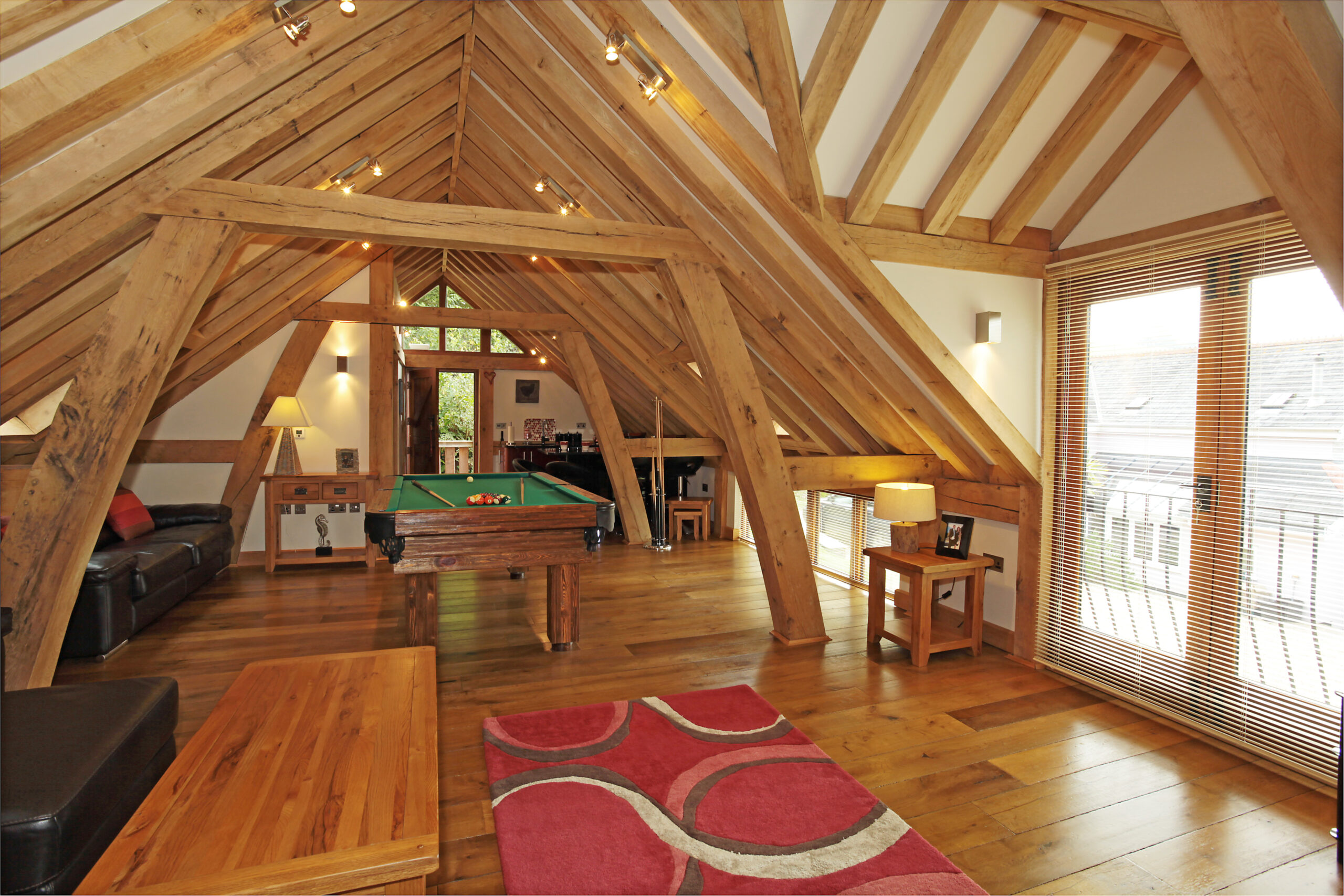
Its strength, workability, and predictable seasoning characteristics make it ideal for constructing:
- Garages (with and without rooms above)
- Extensions
- Garden rooms
- Porches
- Pergolas and Gazebos
As the timber naturally seasons, traditional jointing methods allow the structure to tighten over time, creating the robust, long-lasting performance that has defined oak-framed construction for generations.
At Oak Frames Direct, every frame is precision-engineered using high-quality green oak and manufactured to bespoke specifications. Our BM TRADA Q-Mark-equivalent manufacturing processes, specialist timber grading, and rigorous quality controls ensure every frame meets exacting standards before leaving our workshop.
The result is an easy-to-assemble frame that combines traditional craftsmanship with modern manufacturing precision.
Helping Your Clients Choose the Right Timber
When clients ask whether green oak or seasoned oak is “better”, it’s often because they’re trying to understand which option represents the best long-term investment. Rather than focusing solely on moisture content, it’s worth guiding the conversation towards the intended use of the timber.
Questions such as these can help shape the specification:
- Is the timber being used structurally or decoratively?
- Will it be exposed to the elements?
- Is natural movement expected and accommodated within the design?
- Is dimensional stability critical to the finished product?
- What appearance does the client hope to achieve over time?
By explaining how each material is designed to perform, you can reassure clients that green oak is a carefully selected material that’s perfectly suited to structural oak framing.
Which is Better: Green Oak or Seasoned Oak?
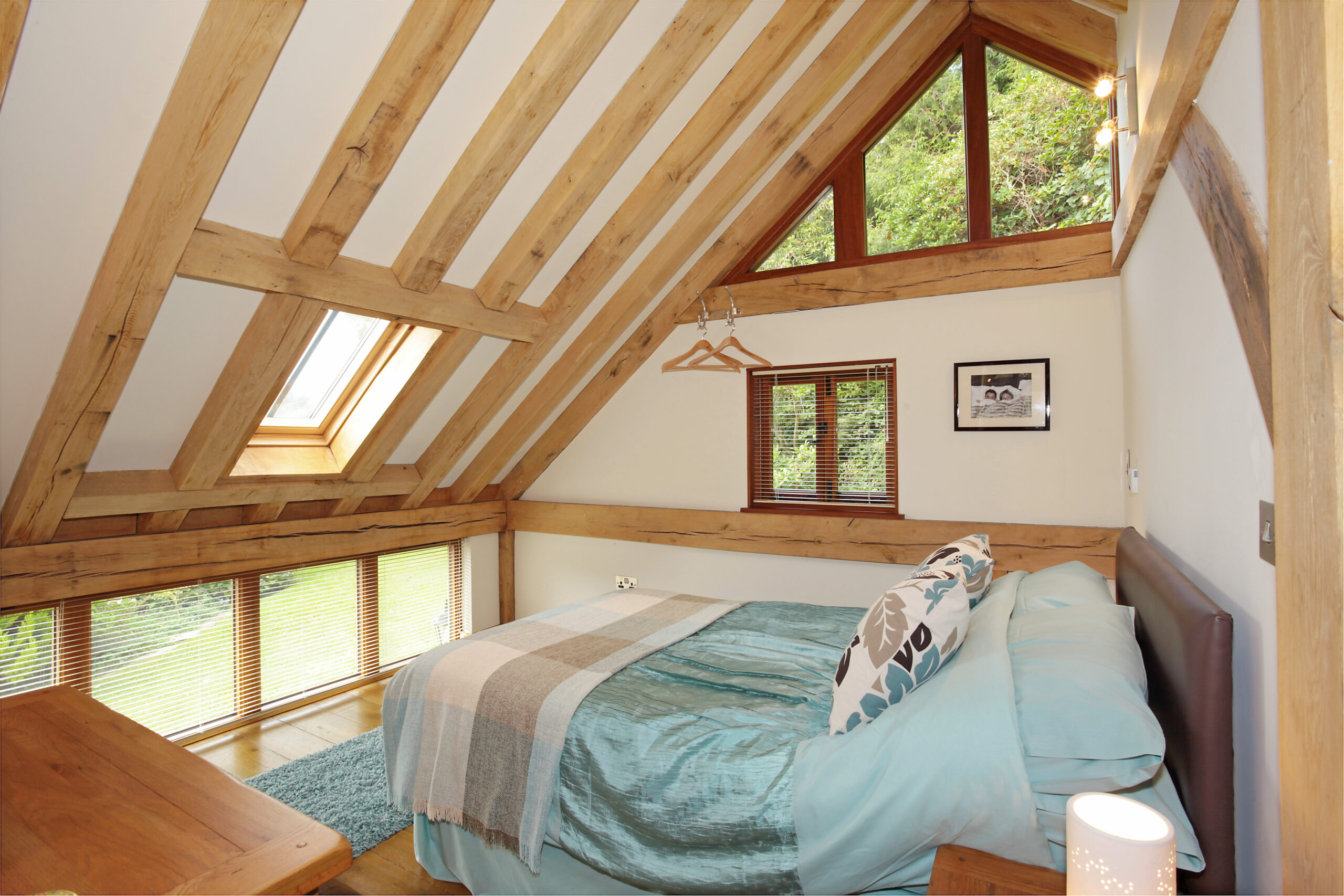
Ultimately, neither material is universally “better”. Instead, each excels in different applications. Seasoned and kiln-dried oak are excellent choices for interior joinery, furniture, flooring, and other applications where stability and minimal movement are essential.
For structural oak framed buildings, however, green oak remains the preferred choice. Traditional framing methods, modern engineering and centuries of proven performance all work together to ensure the timber performs exactly as intended throughout its lifespan.
Understanding this distinction allows you to recommend the right material with confidence while helping clients appreciate why green oak has remained the benchmark for structural oak framing for generations.
Build with Confidence with Oak Frames Direct
No matter what building kits you need or what structures you’re specifying, choosing the right manufacturing partner is just as important as choosing the right timber. We work alongside professionals across the UK to manufacture bespoke oak frames that combine traditional craftsmanship with modern precision engineering.
Every frame is built to an agreed specification using carefully selected green oak, supported by specialist timber grading, and BM TRADA Q-Mark-equivalent manufacturing standards. Garages, leisure buildings, garden rooms, and extensions all come with a 10-year structural frame guarantee. All other buildings supplied are guaranteed for a period of 1 year from the date of delivery, against manufacturing faults or destruction by woodworm or beetle infestation.
Use our Online Builder to configure your next project, request a bespoke quotation, or speak to our experienced team for expert guidance. We’ll help you specify the right oak-framed solution for your client, delivering quality, consistency, and confidence from design through to installation.

Darren Hook has been in the Oak Framed Building industry for over 30 years. He took over the business from his father and has been the driving force behind acquiring Trada Q-Mark certification. He has a lifelong love for traditional and sustainable building methods.


