

What Timber Grading Means for Insurance, Compliance, and Project Safety in Oak-Framed Buildings
When specifying materials for oak-framed buildings, you’re not supposed to choose something you feel looks right on paper. You’re making decisions that affect structural safety, regulatory approval, insurance acceptance, and, ultimately, your professional reputation. Timber grading sits at the centre of all of this, yet it’s one of the most misunderstood aspects of oak construction.
What Timber Grading is and Why it Matters on Site
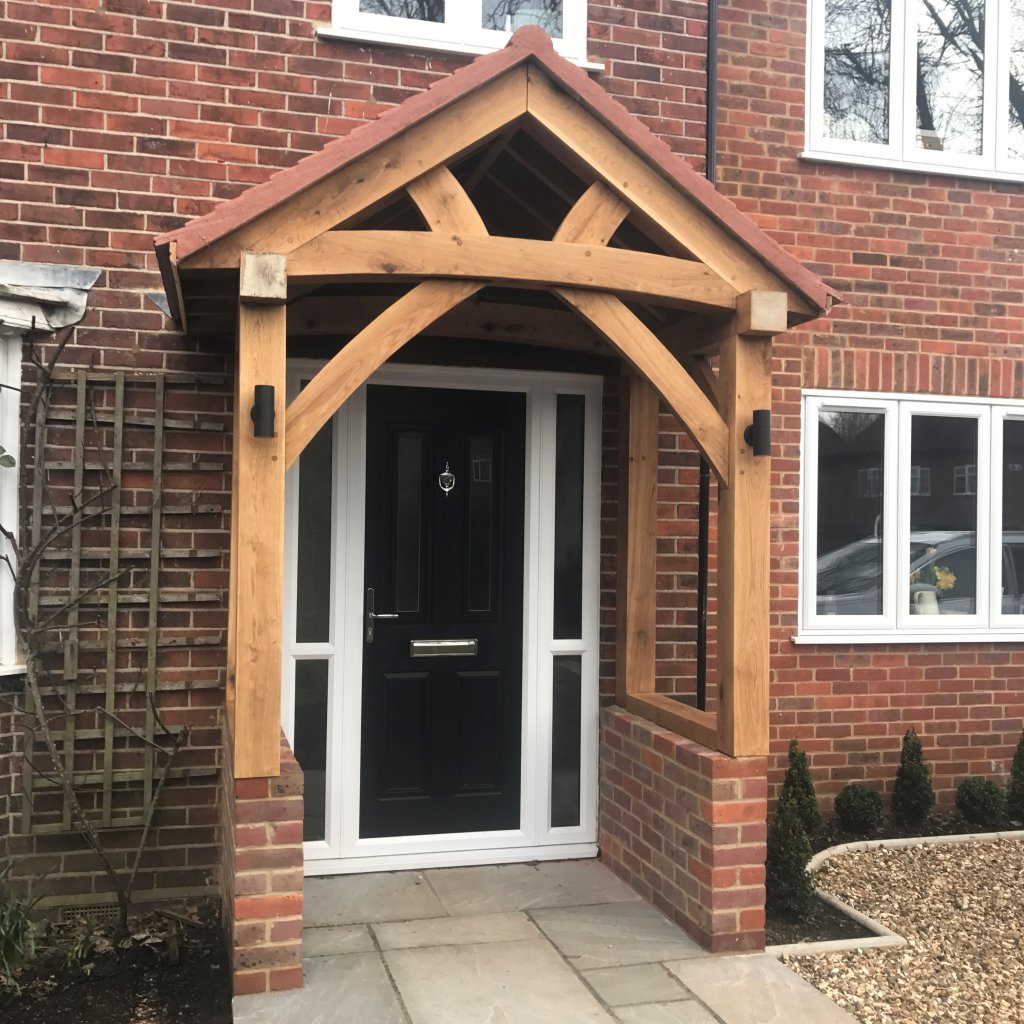
Graded timber is timber that has been assessed and classified for structural performance. There are many different grades, and how each of these is assessed comes down to strength, durability, and suitability for load-bearing use. In the UK, construction timber grades are determined either visually by qualified timber graders or through mechanical testing. This process identifies characteristics such as knots, grain direction, and moisture content, ensuring the timber performs predictably under load.
For oak-framed buildings, this matters more than many realise. Oak is a natural material, and no two timbers behave the same. This is why qualified professionals carry out timber grading at Oak Frames Direct, and we ensure that only suitable sections are used in structural applications. Meanwhile, unsuitable material is rejected before it ever reaches our customers’ sites. This removes uncertainty and allows you to build with confidence.
Timber Grading and Insurance Protection
From a client’s perspective, insurers want reassurance that a building has been constructed using materials that meet recognised standards. From your perspective, graded timber provides documented evidence that due diligence has been followed. If an insurer ever questions structural integrity, whether during underwriting, resale, or a claim, graded timber forms part of a clear audit trail. It shows that appropriate construction timber grades were used from the outset, reducing the risk of disputes and protecting all parties involved.
This is particularly valuable when clients are investing significant sums and expect their building to perform as reliably as any conventional brick structure.
Compliance, Building Control, and UK Standards
There’s no single governing body that regulates who can call themselves an oak construction firm, which makes compliance even more important. Not all grades of timber in the UK are suitable for structural oak framing, and ungraded or incorrectly specified timber can raise red flags during inspections.
Timber grading supports compliance with UK building regulations and Eurocodes by ensuring structural elements are appropriate for their intended loads and environmental conditions. Factors such as elevation, wind exposure, and orientation all influence structural requirements, and graded timber ensures these considerations are accounted for upfront.
Project Safety in Oak-Framed Buildings
Safety on site and long-term structural performance go hand in hand. Timber grading directly affects how an oak frame behaves during installation and throughout its lifespan. Correctly graded timber accounts for natural movement, moisture content, and long-term load performance. This reduces the risk of excessive deflection, joint stress, or unexpected movement as the building settles.
For your clients, this translates into a structure that feels solid and dependable. For you, it means a safer build process and fewer concerns once the project is signed off.
Why This Matters for Your Reputation
Every project you complete becomes part of your professional track record. Clients may not always understand timber grading in technical terms, but they do understand outcomes like buildings that last, pass inspections, and perform as promised. Using graded timber in oak-framed buildings reduces callbacks, limits post-completion issues, and strengthens trust. It shows that you don’t cut corners on materials that matter, even when those details are hidden once the build is complete.
Over time, this consistency builds a reputation. It leads to referrals, repeat work, and confidence from clients who know their investment is in safe hands.
Using This Information with Your Clients
Timber grading is also a communication tool. When discussing specifications with your clients, it allows you to explain why certain materials are used and what they protect against, without overwhelming them with technical detail.
Framed correctly, it reassures clients that their building meets insurance expectations, regulatory standards, and long-term safety requirements. It shifts the conversation from cost alone to value, performance, and peace of mind.

Build with Confidence from the Start
Timber grading underpins insurance acceptance, regulatory compliance, and project safety in oak-framed buildings. For you, it’s a safeguard, one that protects your work, your clients, and your reputation.
Are you specifying oak frames for professional projects and want clarity, consistency, and confidence built into every structure? You can get a quote online, make use of our free Online Builder for a range of oak-framed buildings, or get in touch with us if you have any questions.
Take the first step with Oak Frames Direct and start with materials that meet the standards your work deserves.

Darren Hook has been in the Oak Framed Building industry for over 30 years. He took over the business from his father and has been the driving force behind acquiring Trada Q-Mark certification. He has a lifelong love for traditional and sustainable building methods.


